The Rise of Online Dress Stores: Fashion at Your Fingertips
Wiki Article
Online dress stores have revolutionized the way in which we go shopping for fashion, offering a huge selection of styles, sizes, and brands in the comfort of our homes. These digital boutiques focus on a wide variety of tastes and occasions, from casual wear to formal attire, making it easier than previously to obtain the perfect dress for almost any event. With the rise of eCommerce, my sources has turned into a convenient and popular choice for fashion-savvy consumers around the globe.
The Growth of Online Dress Shopping
The shift to online shopping has been driven by a number of factors, like the increasing accessibility of the internet, the benefit of shopping from your home, and the ability to make a price comparison and styles across multiple platforms. Over the past decade, online dress stores have raised in popularity, with major retailers like ASOS, Zara, and Revolve leading the charge. These stores present an extensive variety of dresses, catering to diverse fashion preferences and budgets.
The COVID-19 pandemic further accelerated the popularity toward internet shopping as physical stores faced temporary closures and consumers sought safer alternatives. This period saw a blast at the in online dress sales, with many people embracing digital platforms for anything from everyday wear to special event outfits.
Advantages of Shopping at Online Dress Stores
Online dress stores offer many perks that make them an attractive option for modern shoppers:
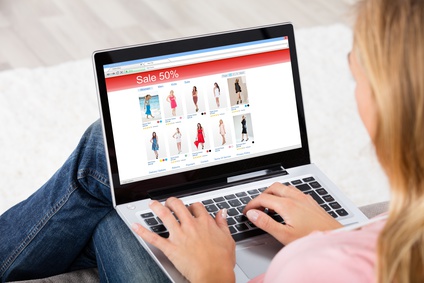
The simplicity of shopping online is unparalleled. Customers can browse through hundreds of dresses anytime, with no need to visit multiple physical stores. This is especially helpful for those with busy schedules or limited use of fashion boutiques.
Extensive Variety:
Online dress stores offer an enormous selection of styles, sizes, and colors, far beyond precisely what is typically accessible in a single brick-and-mortar store. Whether you’re trying to find a casual sundress, a chic cocktail dress, or an elegant evening gown, online platforms have something for anyone.
Access to Global Fashion:
One with the biggest features of online dress stores is the capability to shop from international brands. Consumers can explore trends and designs from all over the world, giving them use of unique pieces that may not be available locally.
Ease of Price Comparison:
Online shopping provides for easy comparison of prices across different websites, making sure that consumers get the best deals. Many online dress stores offer sales, discounts, and discount codes, making it easier to get affordable options.
Customer Reviews and Recommendations:
Many online dress stores feature customer reviews and ratings, which provide valuable insights in to the fit, quality, and overall satisfaction which has a product. This feedback helps shoppers make informed decisions and increases confidence within their purchases.
Flexible Return Policies:
Most online dress stores offer flexible return and exchange policies, allowing customers to send back items that don’t meet their expectations. This is particularly important when shopping for dresses, as fit and style can vary widely between brands.
Challenges of Shopping at Online Dress Stores
Despite the various advantages, online dress shopping does present some challenges:
Sizing and Fit:
One of the most common challenges with online dress shopping is ensuring the correct fit. Sizes will vary between brands, and without the power to try on dresses before purchasing, customers could find it difficult to choose the correct size. To address this, many online dress stores provide detailed size guides and offer virtual fitting tools to assist customers find the best fit.
Inability to Inspect Fabric and Quality:
Unlike in-store shopping, where customers thinks the fabric and inspect the standard of a dress, shopping on the web relies on images and descriptions. While high-quality photos and videos may help, there is still a level of uncertainty until the dress is delivered.
Shipping and Delivery Times:
Shipping times may vary depending on the location with the online store as well as the customer. While many retailers offer expedited shipping options, standard shipping can take several days or even weeks, which may stop ideal for those needing an outfit for an upcoming event.
Environmental Concerns:
The environmental impact of shopping online is a growing concern. The packaging, shipping, and high return rates associated with online dress shopping help with waste and carbon emissions. As consumers are more eco-conscious, online dress stores are under pressure to adopt sustainable practices.
Technology and Online Dress Stores
Technology plays an important role in enhancing the net dress shopping experience:
Virtual Fitting Rooms:
Virtual fitting rooms use augmented reality (AR) allowing customers to put on dresses virtually. This technology helps reduce uncertainty around sizing and fit, making the online shopping experience more interactive and reliable.
AI-Powered Recommendations:
Artificial intelligence (AI) is increasingly being utilized by online dress stores to supply personalized recommendations based on a customer’s browsing history, past purchases, and elegance preferences. This helps shoppers discover new styles that align with their tastes.
Sustainability Tracking:
Some online dress stores are incorporating tools that enable consumers to track the sustainability of these purchases. By providing info on the environmental impact of materials, production methods, and shipping, these tools empower customers to produce more eco-friendly choices.
Mobile Shopping:
The rise of smartphones makes mobile shopping a tremendous component from the online dress market. Retailers have optimized their websites for mobile use and developed apps that offer a seamless shopping experience, allowing customers to browse and get dresses on the run.
The Future of Online Dress Stores
The way ahead for online dress stores will probably be shaped by several emerging trends:
Sustainability:
As sustainability gets to be a priority for consumers, online dress stores will need to focus on eco-friendly practices. This includes using sustainable materials, reducing packaging waste, and offering carbon-neutral shipping options.
Customization:
Customization is predicted to be prevalent in online dress shopping. Consumers may soon have the ability to tailor dresses with their exact specifications, from choosing fabrics and colors to adjusting the fit and design details.
Omnichannel Retailing:
The integration of web offline shopping experiences, referred to as omnichannel retailing, will be a little more common. This might include services like buying online and picking up in-store (BOPIS), or virtual consultations with in-store stylists to help customers obtain the perfect dress.
Enhanced Virtual Experiences:
As AR and VR technologies always evolve, online dress stores will more than likely offer more immersive virtual experiences. Customers could possibly attend virtual fashion shows, explore 3D showrooms, and put on dresses in virtual fitting rooms that offer a more realistic preview.
Ethical Fashion:
Consumers are increasingly interested in the ethical practices of fashion brands, including fair labor conditions and animal welfare. Online dress stores that prioritize ethical sourcing and transparent supply chains will probably attract a growing number of conscientious shoppers.
Online dress stores have revolutionized just how we shop for fashion, offering convenience, variety, and usage of global trends. While challenges such as sizing and environmental impact remain, advancements in technology along with a growing target sustainability are shaping a bright future for online dress shopping. As consumer preferences always evolve, online dress retailers will have to innovate and adapt, ensuring they meet the needs of an tech-savvy, fashion-forward, and ethically-conscious audience.